
Table of Contents
- Exterior Cleaning in Skipton: Key Takeaways
- Why Do Drives and Patios Dull So Quickly in the Dales?
- Driveways, Patios, Decking and Roofs: Where Kerb Appeal Is Won
- Pressure Washing vs Soft Washing: Which Does Your Surface Need?
- What Happens During a Professional Exterior Clean?
- How Much Does Pressure Washing Cost in Skipton?
- How Do You Choose the Right Exterior Cleaner in Skipton?
- How Do You Keep Exterior Surfaces Cleaner for Longer?
- Skipton Pressure Washing: Common Questions
- Bring Back That Just-Laid Look
A mossy drive and green front path can make a well-kept house look neglected before anyone reaches the door. In damp, shaded spots, algae leaves a slick film underfoot and black staining dulls the original colour of paving.
Professional exterior cleaning restores kerb appeal by matching pressure washing, soft washing and treatment to the surface in front of you. It can remove the grime and organic growth that makes paths look tired, while helping you avoid premature repair or replacement. Below, you’ll see which areas make the biggest visual difference, what each cleaning method does, what Skipton jobs cost, and how to choose a careful cleaner.
Exterior Cleaning in Skipton: Key Takeaways
A clean outside starts with the right method, then finishes with the details that protect the result.
- Match high-pressure washing to hard paving and dense stone, using a rotary cleaner for broad, even areas.
- Use low-pressure soft washing on roofs, render, cladding, delicate stone and soft wood.
- Add biocide or alkaline foam where algae, lichen and black spots have settled into pores and joints.
- Plan for aftercare, including re-sanding block paving, oiling decking and treating tired tarmac.
- Budget around £294 on average for jet pressure washing, while medium driveways and patios typically take 3 to 5 hours.
- Ask for a fixed quote that names the method, wastewater handling, any detergents and the finishing work.
- Check that the cleaner is insured, gives straight advice, and will return if the finished area needs attention.
Why Do Drives and Patios Dull So Quickly in the Dales?
Damp shade speeds it up. A north-facing drive or patio can stay wet long after the rest of the garden has dried, giving moss and algae the conditions they need to spread.
Skipton and the Yorkshire Dales see plenty of shaded entrances, stone walls and tree-lined gardens. Add tyre marks, soil carried in on shoes, fallen leaves and everyday weathering, and the original colour of paving soon gets hidden behind a dull film.
Moss grows through joints in block paving and flags. Algae settles across the surface, while lichen and black spots can cling to stone and paving long after a quick rinse has shifted the loose dirt.
The visual change is obvious at the front of a house, but grip matters too. A path that feels slippery in wet weather needs attention before somebody uses it carrying shopping, pushing a bin, or walking to the door.
Pressure washing removes loose grime on suitable hard surfaces. For deeper organic staining, a treatment gives the cleaner a way to deal with what has rooted into pores and joints rather than merely washing over it.
This is routine property care. Keeping drainage points clear, removing growth early and cleaning surfaces before grime becomes embedded helps preserve the areas you already own.
A shaded driveway is a familiar example. It may look patchy because one side dries in the sun while the other remains damp, and the darker side can become the area visitors notice first.
The same pattern appears on rear patios beneath trees. Leaves trap moisture, then green growth spreads across the walking area and turns a place for sitting outside into a surface you avoid after rain.
Avoid treating every stain as a pressure problem. Render, roof tiles and timber need gentler methods, while hard paving can take a more direct clean when its condition allows it.
Driveways, Patios, Decking and Roofs: Where Kerb Appeal Is Won
Start at the entrance. The drive, path and front elevation set the first impression, then patios and decking decide whether the rest of the outdoor space feels ready to use.
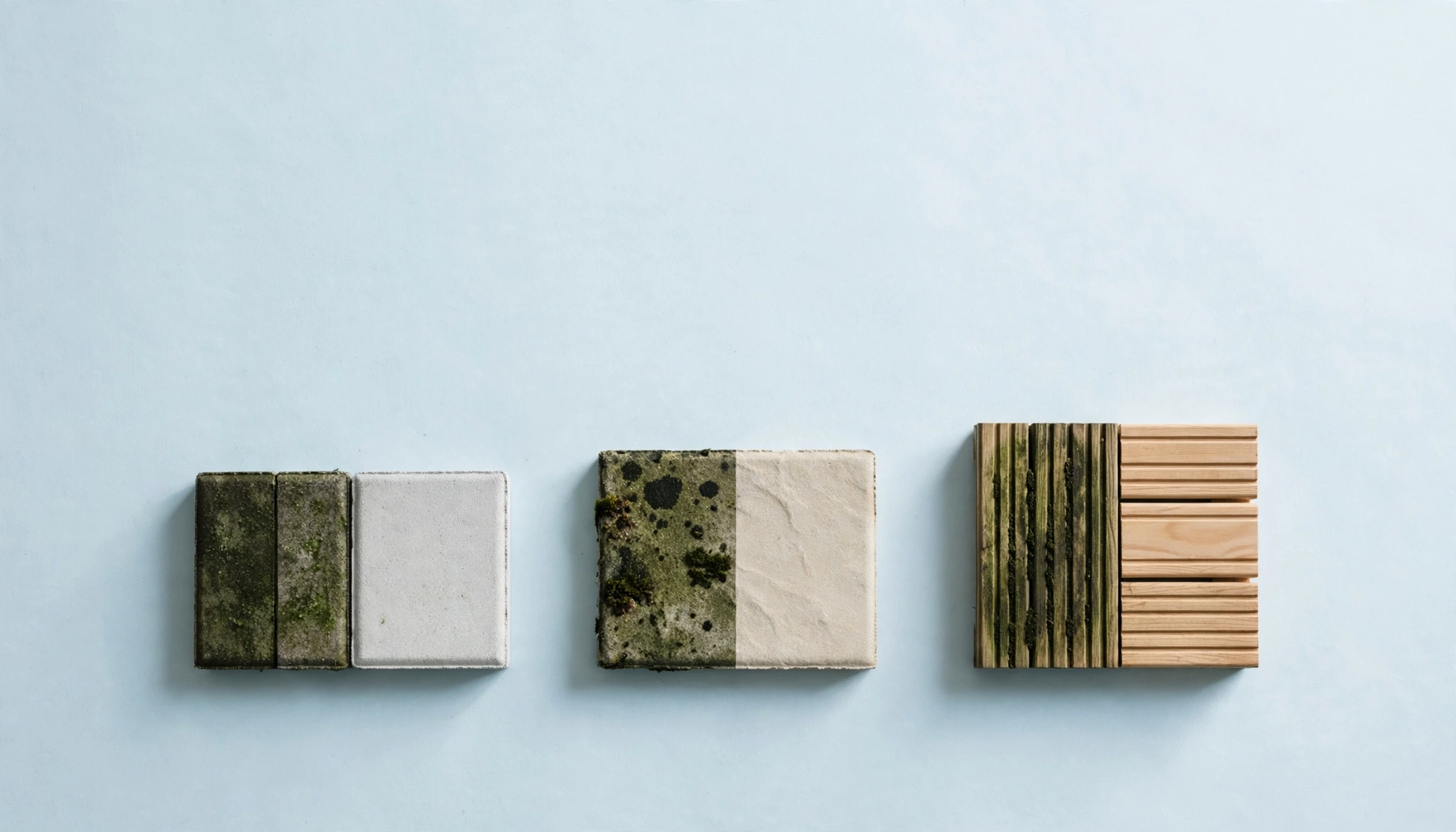
A full exterior clean can cover far more than paving. Under Pressure lists work on drives, patios, paths, decking, roofs, render, walls, cladding, fascias, gutters and commercial frontages. Our Skipton exterior cleaning service also focuses on matching the cleaning approach to the material.
Driveways and Front Paths
Block paving, concrete flags, natural stone, crazy paving, resin, tarmac and pattern-imprinted concrete all show dirt differently. Moss-filled joints and black spots make block paving look uneven, while tyre marks and surface grime can flatten the appearance of a larger drive.
A thorough clean clears the loose dirt, treats deeper staining where needed, and leaves edges, joints and drainage points free of wash residue. Block paving often needs kiln sand put back into open joints after washing, and a sealer is an optional finishing step.
Tarmac needs a gentler clean followed by a restoration treatment to bring back an even dark finish. Natural stone and crazy paving need pressure matched to their hardness, so the surface is cleaned without marking it.
Patios and Garden Areas
York stone, Indian sandstone and standard paving flags can become green and dark after a wet season. A patio may be structurally sound yet look neglected because algae has covered the colour and black spotting has taken hold.
Cleaning makes the usable area visible again. Large flat sections benefit from an even pass with a rotary cleaner, while edges, steps and awkward corners need closer work with a lance or pole.
Treatment matters where organic growth has settled into the stone. Water can remove surface dirt, but a foam treatment gives black lichen and stubborn algae attention beyond the first wash.
Decking and Fencing
Decking needs a lower-pressure approach because soft wood marks more easily than paving. Once the surface has been cleaned, decking oil restores colour and adds weather protection.
Grip is a practical reason to book this work. A deck left uncared for through several seasons can become slippery, especially in shaded sections close to planting or fencing.
Roofs and Upper Surfaces
Roofs, render, cladding, fascias and gutters need a gentle method. Low-pressure soft washing and reach poles let a cleaner work on algae, dark streaks and grime without applying full jet pressure to tiles, slates or render.
This work also improves the view from the street. A clean fascia line, clearer gutters and brighter render can lift the whole front elevation even where the drive already looks tidy.
Commercial Frontages
Shops, car parks and forecourts have a safety role as well as a presentation role. Green growth on entrance paths and tracked-in grime outside a doorway can affect visitors before they step inside.
Out-of-hours cleaning keeps the area accessible during trading time. That suits village businesses such as a teahouse, where customers still need a clear, safer entrance during the day.
Example
A homeowner had a split-level deck that had been left through several seasons of damp weather. The boards had lost colour and felt slick underfoot, so the area was no longer being used.
- Before: green organic growth across the walking surface and a pale, weathered finish.
- After: low-pressure cleaning removed the build-up, then decking oil restored colour and grip.
The result worked because the finish matched the material and included protection after cleaning.
Pressure Washing vs Soft Washing: Which Does Your Surface Need?
The surface decides the method. Hard paving can take controlled pressure cleaning, while roofs, render, cladding and delicate stone need low-pressure soft washing.

A professional clean uses different equipment for different jobs rather than turning up with one setting for every surface. Our exterior cleaning work uses the method that suits the material, its condition and the type of growth present.
| Method | Pressure | Best For | Main Job |
|---|---|---|---|
| Rotary cleaning | High | Drives and patios | Even surface cleaning |
| Soft washing | Low | Roofs and render | Gentle algae removal |
| Biocide foam | Low | Lichen and algae | Deep organic treatment |
| Alkaline foam | Low | Black staining | Stubborn stain treatment |
| Lances and poles | Matched | Edges and heights | Targeted cleaning |
High-Pressure Rotary Cleaning
Pressure washing suits hard paving and dense stone with built-up surface dirt. A rotary cleaner keeps the action even across large flat areas, helping avoid missed strips and patchy passes on drives and patios.
It works well for block paving, flags and many patio surfaces. The cleaner still needs to assess natural stone, crazy paving and joints before setting the pressure.
Low-Pressure Soft Washing
Soft washing is the right route for roof tiles, slates, render, cladding, fascias and delicate stone. It uses low pressure to lift green algae and dark streaks without the full force used on a driveway.
Reach poles help with walls, upper cladding, fascias and gutters. That gives the operator control at height while keeping the approach gentle on the finish.
Foam Treatments for Deep Growth
Biocide foam and alkaline foam deal with organic staining that has gone beyond loose surface grime. They are useful where black lichen, algae and black spots have settled into pores or stone texture.
The treatment is part of the clean, not an afterthought. It helps the result last longer because the organic growth has been addressed instead of simply rinsed away.
Water and Wastewater Care
Detergents are used only where they are needed for the surface and staining. Wastewater also needs managing, particularly around drainage points, paths and commercial entrances.
The right method leaves the area cleaner without creating a new mess in joints, edges or gullies. You should expect the cleaning plan to cover both the surface and the runoff.
What Happens During a Professional Exterior Clean?
A good clean starts before the van arrives. Photos, rough measurements and clear access let the cleaner give a fixed price based on the actual surface and level of soiling.
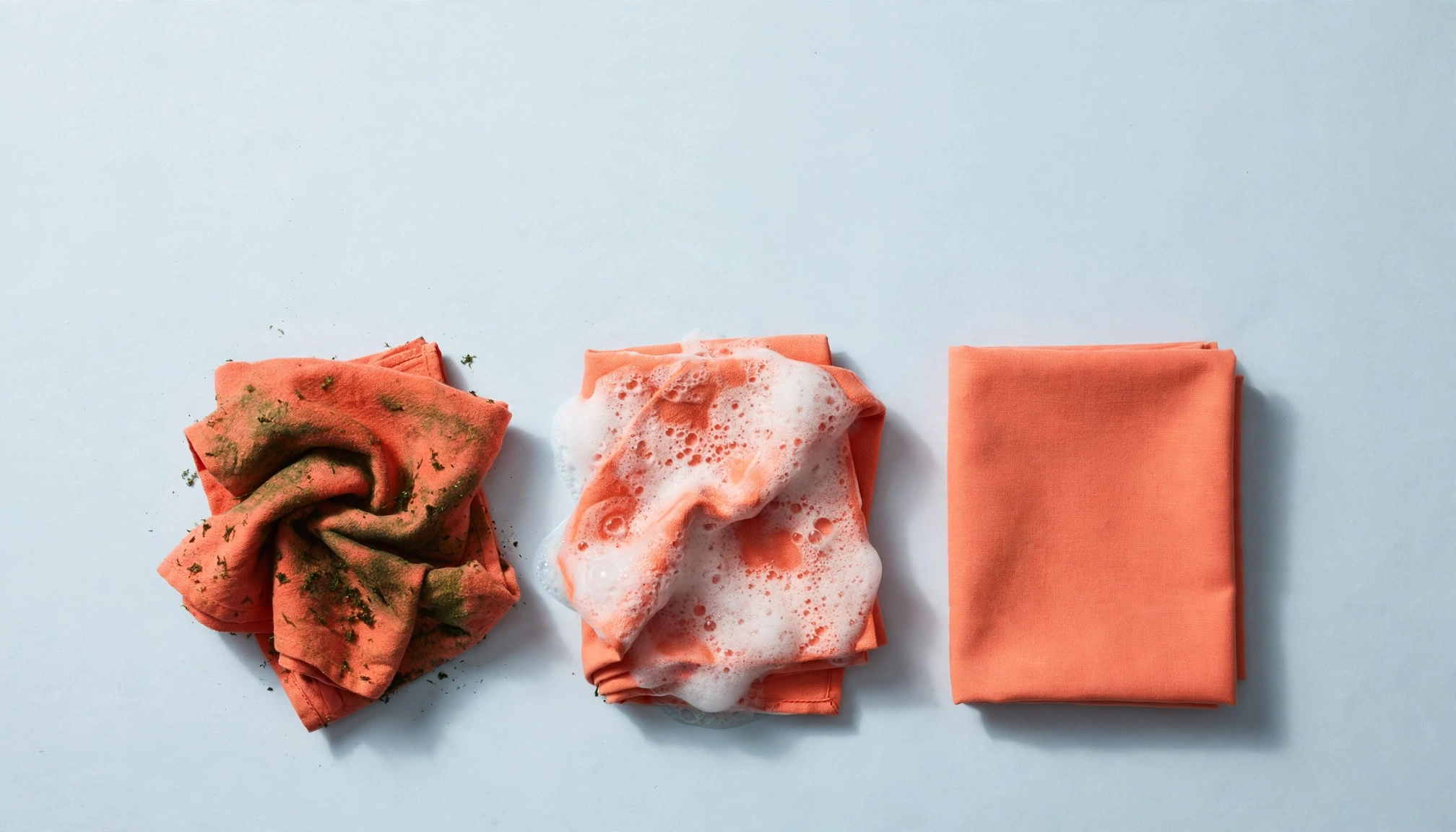
The enquiry should cover the area you want cleaned, its material, visible moss or black spots, and any access issue. A few wide photos plus close-ups of problem areas give a clearer picture than a vague request for “a patio clean”.
- Send photos and measurements. Include the drive, patio, paths or upper surfaces, along with rough dimensions and a view of gates, steps and access.
- Receive the cleaning plan. The quote should name the method, whether treatment is needed, and any finishing work such as re-sanding, sealing, oiling or tarmac restoration.
- Prepare the working area. Move cars, garden furniture and loose items away from the cleaning zone, then confirm access to an outdoor water supply.
- Clean and treat the surface. The team pre-treats problem areas, uses pressure or low-pressure equipment suited to the material, and manages wastewater during the work.
- Complete the finish. Block paving can be re-sanded and optionally sealed, decking can be oiled, and tired tarmac can receive a restoration finish.
- Walk the job together. Check colour, grip, edges, joints and drainage points before the team leaves. A careful cleaner will return if something needs putting right.
A proper quote covers more than the visible wash. It should account for the equipment, travel, wastewater handling and detergents where they are needed, rather than adding surprises after work has started.
For a block-paved drive with moss in the joints and black spotting, the sequence is clear: clean the surface, deal with the organic staining, clear the joints, then put kiln sand back where washing has opened them. Skipping the final stage leaves the drive looking unfinished.
Use this short checklist before booking:
- Send wide and close-up photos of each area.
- Measure the approximate length and width.
- Tell the cleaner about fragile surfaces, loose paving or drainage concerns.
- Move vehicles and furniture before the agreed time.
- Confirm outdoor water access and a clear route for equipment.
- Ask whether public liability cover is in place.
- Agree the final walk-round before the work begins.
How Much Does Pressure Washing Cost in Skipton?
Skipton jet pressure washing averages £294, according to Checkatrade’s local estimate page. The actual fixed price changes with the size of the area, its condition, water access, the surface material and any treatment or finishing work.
£294 average cost of jet pressure washing in Skipton
Driveway and patio cleaning averages £343 on the same local guide, with a typical range of £241 to £488. That average describes a category of jobs, so your quote still needs to reflect the property in front of the cleaner.
| Work | Price Range | Typical Time |
|---|---|---|
| Jet pressure washing | £208 to £424 | – |
| Driveway and patio cleaning | £241 to £488 | 3 to 5 hours |
| Driveway cleaning | £150 to £450 | – |
| Patio cleaning | £150 to £450 | – |
| Roof cleaning | £350 to £900 | – |
| Gutter cleaning | £50 to £120 | – |
| Render soft wash | £150 to £350 | – |
Time gives another useful check. Small pressure washing jobs typically take 2 to 3 hours, while larger homes and commercial work can take a full day or more.
A fixed quote should spell out what is included. Check whether it covers pre-treatment, the cleaning method, wastewater handling, detergents where required, re-sanding or oiling, and travel with the right kit.
You can use Checkatrade’s job estimate calculator for a broader starting point, then compare it with a site-specific quote. Price alone tells you little if the cheaper option skips treatment or leaves block paving joints open after washing.
How Do You Choose the Right Exterior Cleaner in Skipton?
Ask about the method first. The wrong pressure on render, roof tiles or soft wood can leave lasting marks, so a cleaner should be able to explain the plan in plain language before quoting.
Look for a fully insured, family-run specialist that works across Skipton, Airedale, Wharfedale and the Dales. Local coverage matters because access, shade, stone types and damp growth are part of the job, not side details.
A careful operator assesses the surface before deciding between pressure washing, soft washing and a foam treatment.
Use these checks when comparing quotes:
- Ask which method they recommend for your exact surface and why.
- Ask whether black spots, lichen or algae need biocide or alkaline foam treatment.
- Confirm that public liability cover is in place.
- Check that the quote names wastewater handling and detergents where needed.
- Ask whether block paving will be re-sanded after washing.
- Ask whether decking will be oiled after cleaning.
- Read reviews for reliability, care and the finished result.
- Check whether the cleaner will return if the finish is not right.
Straight advice is a strong sign. A good cleaner may tell you that a surface does not need work yet, or that a gentle treatment is safer than a hard wash.
Headline price should sit behind the method and scope. A lower quote can leave out treatment, aftercare or the time needed to clean edges and drainage points properly.
Before accepting, ask for the quote in writing and compare like with like. You want the same area, the same cleaning method and the same finishing steps on each price.
How Do You Keep Exterior Surfaces Cleaner for Longer?
Keep growth from settling in again. Regular leaf clearance, sweeping and early moss removal stop moisture and debris sitting on paving, decking and paths for long periods.
The right finishing treatment extends the clean. Biocide or alkaline treatment slows the return of algae, lichen and black spotting after the visible dirt has been removed.
Match Aftercare to the Surface
Block paving benefits from re-sanding after washing because the sand supports the joints. Sealing is an optional next step after the surface is clean and stable.
Decking benefits from oil after cleaning. It brings back colour and helps protect the boards through wet weather, while keeping the walking surface in better condition.
Tarmac responds to cleaning followed by restoration treatment. The aim is an even, darker finish that also helps resist weeds.
Small Jobs That Make a Difference
Do a quick check after windy or wet spells, especially around north-facing paths and areas beneath trees. Remove leaves from paving joints, clear gutters and drainage points, and deal with fresh moss before it spreads across the walking area.
Pay attention to shaded edges and steps. Those are often the first places where green growth returns, and they can become slippery before the centre of the patio looks dirty.
If a block-paved drive has open joints, arrange re-sanding rather than leaving them exposed. If decking feels slick or has gone pale, cleaning followed by oiling restores the finish and grip.
Skipton Pressure Washing: Common Questions
Which surfaces can be pressure washed?
Hard paving, block paving, flags and suitable dense stone can be pressure washed with the pressure matched to the material. Natural stone and crazy paving need a careful assessment, while roofs, render, cladding and decking need a gentler soft-wash approach.
Is soft washing safe for render and roofs?
Yes, low-pressure soft washing is used for render, roof tiles, slates and other delicate exterior surfaces. It lifts algae and dark streaks without applying the full jet pressure used on hard paving.
How long does a clean take?
Small pressure washing jobs typically take 2 to 3 hours. Medium driveways and patios usually take 3 to 5 hours, while larger homes and commercial work can take a full day or more.
What should I do before the cleaner arrives?
Move cars, garden furniture and loose items away from the work area, and make sure there is access to an outdoor water supply. Send photos and rough measurements first so the cleaner can give a fixed quote and plan the right method.
Can shops be cleaned outside trading hours?
Yes, shop fronts, car parks and forecourts can be cleaned out of hours so customers can still access the premises during the day. This also keeps cleaning activity away from busy entrance times.
Bring Back That Just-Laid Look
A clean drive, patio or front elevation brings colour and order back to the parts of your property people see first. It also clears slippery organic growth and helps you care for surfaces before repair or replacement becomes the bigger job.
Send photos and rough measurements to request a fixed quote through our Skipton exterior cleaning service. You’ll get a clearer plan for the right cleaning method, treatment and finish before work starts.