
Table of Contents
- Paving Damage in Skipton: Key Takeaways
- Why Skipton Paving Is Easy to Damage
- Blasting Block Paving on Full Power
- Treating Every Surface the Same
- Washing Out Joint Sand and Skipping Re-Sand
- Using Bleach and Harsh Chemicals
- Scraping Moss and Lichen Aggressively
- Jet Washing Wood Decking and Soft Tarmac
- Ignoring Gutters, Drainage and Aftercare
- Right Method for Each Paving Surface
- What a Careful Paving Clean Looks Like
- Paving Cleaning: Common Questions
- Keep Paving Clean Without the Repair Bill
Full power feels like a faster clean.
That rush of water can pit flags, scar block edges and leave pale stripes that do not fade. The fix is matching method to surface, not turning the dial up. JetReady specialists in the area make the same point when they reach for biocide foam on deep algae instead of more pressure.
Below are the seven mistakes that harm Skipton paving, plus the gentle routines that leave stone sound and grippy.
Paving Damage in Skipton: Key Takeaways
Skips and harsh blasts cost more than they save.
- Use a rotary head on block paving and flags for an even clean without stripes
- Pick soft wash or steam for render, roof tiles and soft stone to avoid surface harm
- Let paving dry, then brush sand back into joints and think about sealing for cover
- Give biocide time to work on moss and black lichen instead of blasting twice
Why Skipton Paving Is Easy to Damage
Damp air sits long in Skipton.
Moss, algae and black spots spread fast on shaded patios and north facing paths. Porous flags soak up grime and films turn slick underfoot after rain.
Settled block joints add to the risk. Gaps hold soil and seed, then wash wider if hit hard. Gutter spill and moss drop from the roof re-soil clean paving in weeks if the roofline stays blocked. A local overview of exterior cleaning in Skipton puts roofline, walls and paving in one job for this reason.
Tip: Walk the whole run first, from gutter to drain fall, before you pull out the washer.
Take a Skipton terrace with a shaded back patio. Two damp winters left green film and black dots across the flags. The owner hired a washer at full blast and etched pale lines down the middle. Gentle passes plus treatment would have cleared it without marks.
This short patio job shows why patience beats force:
Start with the cause of the dirt, not the dirt itself.
Blasting Block Paving on Full Power
A pinpoint jet held close cuts grime fast and cuts stone too.
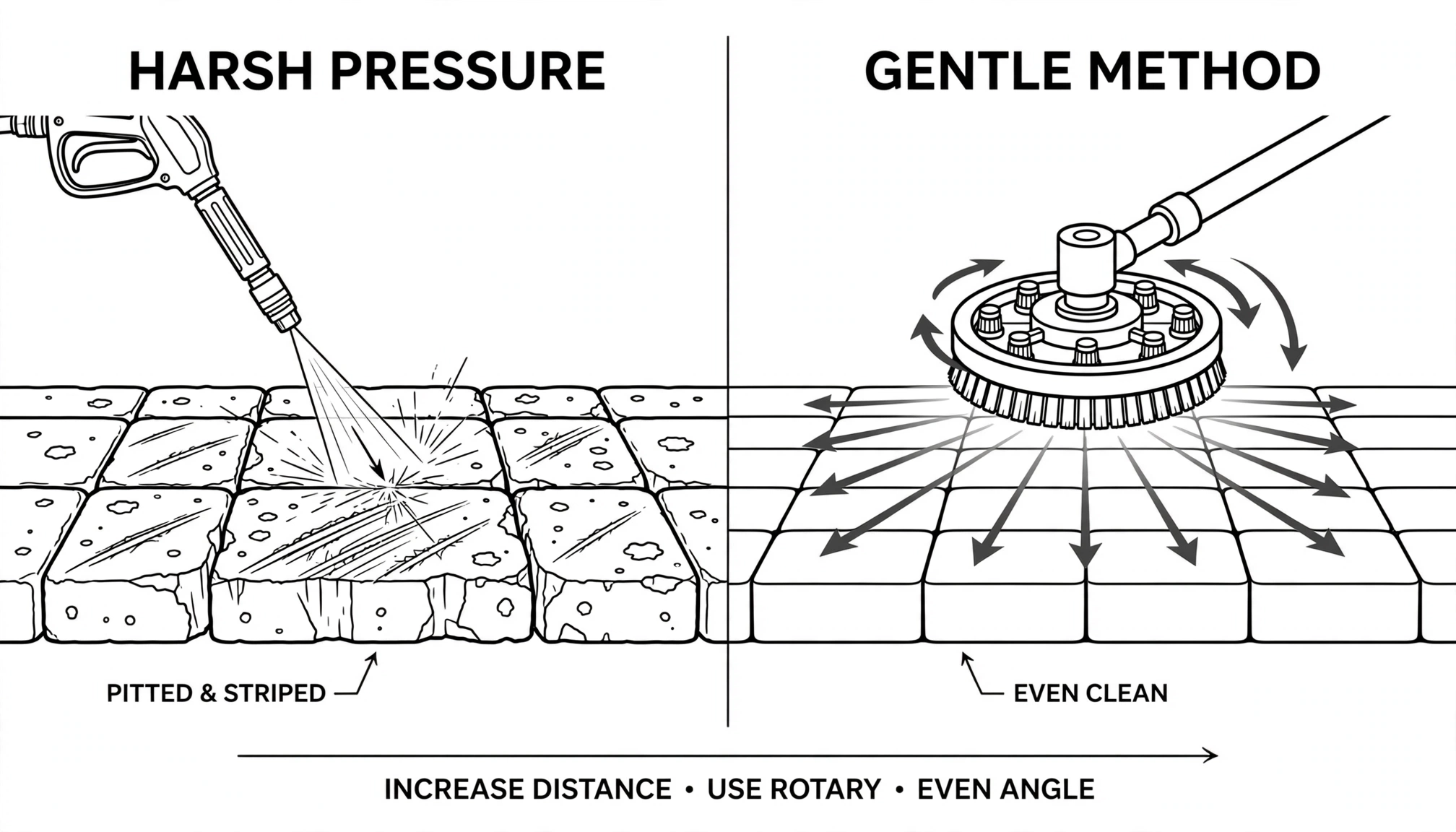
It pits concrete, rounds block edges and leaves fan stripes across flags. Large patios show every pass when the lance wavers.
Driveway and patio cleaning crews get around this with a rotary surface cleaner for broad flat runs.
Pitfall: Holding the lance close to chase one stain is how etch marks start.
How It Works
- Clear loose grit and weeds so they do not drag under the head
- Fit the rotary head for open paving and keep it flat to the surface
- Work in slow overlapping passes with steady distance and angle
- Ease off near edges, corners and drainage channels
- Rinse lightly and let the stone dry before you judge colour
A steady head keeps pressure spread. The even overlap does the work, not wrist force.
What It Replaces
It removes the need for repeated close lance work and hand scrubbing of large slabs. You get a flat tone without striped paths burned in.
Treating Every Surface the Same
Concrete can take more force than render or tile.
Many cleans go wrong when one fierce setting is used for the full house. Render streaks, tiles lift, timber furs and tarmac sheds.
How It Works
- If the face is render, cladding or roof tile, choose low pressure soft wash
- If the stone is soft, pale or flaking, choose steam with light flow
- If the area is high or awkward, use reach poles and soft wash feed
- If the slab is plain concrete or sound block, use controlled pressure with a rotary head
- If in doubt, test a hidden corner and let it dry first
These rules keep each face on its own setting. You clean the dirt and leave the skin of the material alone.
What It Replaces
It removes the habit of blasting the house like a yard slab. One short check saves cracked pointing, torn grain and patchy colour.
Washing Out Joint Sand and Skipping Re-Sand
Washing lifts dirt and loosens joint sand with it.
Open joints let blocks rock, gather seed and take in rain. Weeds root fast and whole runs start to dip.
How It Works
- Wash with care near joints and avoid digging the jet into gaps
- Let the paving dry right through so sand falls clean
- Brush fresh kiln sand in with a stiff broom and work it deep
- Sweep excess clear and check low spots for a second fill
- Look at sealing to slow stains and seed take on block paving
Dry fill matters. Damp joints clump and leave voids that settle later. The tight sand line is what locks the blocks.
What It Replaces
It removes the cycle of wash, weed and re-wash on block drives. Filled joints stay firm and stay cleaner for longer.
Using Bleach and Harsh Chemicals
Strong bleach and acidic mixes promise a quick lift.
They can bleach colour from stone, spot pointing and burn leaf edges. Runoff can reach beds and drains and leave pale splash on walls.
Safer work pairs mild eco aware solutions with biocide for organic films. Dwell time lets the mix kill moss, algae and lichen at the root.
How It Works
- Wet nearby planting and cover soft leaves before you start
- Apply the right mix at low strength for the stain in hand
- Leave it to dwell and keep the face damp as directed
- Agitate lightly, then rinse away from beds and joints
- Repeat a light dose on black dots instead of raising strength
Patience clears growth without stripping tone. Rushing the mix is what marks stone.
What It Replaces
It removes the need for harsh dosing and hard rinsing to chase green. Growth dies back and returns more slowly.
Scraping Moss and Lichen Aggressively
Moss and black lichen grip hard on damp stone.
Dry scraping and grinding at joints chip nosings and shake bedding. Pointing crumbles and edges look chewed after.
Light hand clearance plus biocide foam does the lasting work. The foam soaks the roots and the stain fades with rain and time.
How It Works
- Lift loose moss by hand with a brush or scraper, with light touch
- Treat the dots and films with biocide foam and leave it alone
- Let rain and a soft rinse clear the dead growth over days
- Return for a second light dose on stubborn black lichen
- Keep foot traffic low while the face is slick
Slow kill beats force on these stains. One more light dose costs less than new flags.
What It Replaces
It removes the need for harsh digging at growth and repeat blasts on one patch. Edges stay sharp and beds stay set.
Jet Washing Wood Decking and Soft Tarmac
Timber and bound surfaces bruise under fierce jets.
Decking furs up and turns splintery. Tarmac, resin bound gravel and pattern imprinted concrete can shed stones or lose pattern when hit hard.
Gentle wash plus the right finish keeps them sound. Timber wants smooth grain with oil cover. Tarmac wants light clean and specialist care for a deep tone.
How It Works
- Sweep and wash timber at low fan pressure along the grain
- Stop if fibres lift and pull back further at once
- Let boards dry, then feed with protective oil for decking
- Wash tarmac and resin at low pressure with wide cover
- Call on specialist restoration where colour has faded or binder shows
Example
A split level deck in Skipton had gone green and slick. The boards felt soft under moss and the steps shone with slime.
- Weak: Blast at close range until pale, leave fibres raised
- Strong: Wash gently along the grain, let dry, then re-oil boards
The gentle route left the deck grippy and warm in tone because oil sealed the grain after cleaning.
What It Replaces
It removes the harsh blast and no finish routine that leaves timber rough and bound mixes patchy. Light care keeps the surface safe to use.
Ignoring Gutters, Drainage and Aftercare
Dirty gutters undo clean paving in one storm.
Leaves and moss choke the run, water sheets over the edge and streaks walls. Soil and spores land back on paths and feed new growth.
Poor falls add harm. Pooled wash pushes dirty water under doors and into beds, then dries as silt lines.
How It Works
- Clear gutters, downpipes and gullies before paving work starts
- Sweep leaves and moss drop from paths and borders first
- Wash so flow runs to drains, not to thresholds or planting
- Check falls and joints for ponding while the face is wet
- Plan light upkeep through the year to keep films thin
- Clear roof moss drop after high winds
- Hose gullies clear and check they take water
- Trim back plants that shade and drip on flags
- Book a prompt touch up for missed black spots
Small upkeep keeps the clean you paid for. Water that runs clear leaves paving drier and less slick.
What It Replaces
It removes the repeat full wash caused by overflow and silt. Drains that run free keep walls and walks fresher.
Right Method for Each Paving Surface
Block paving wants control, soft faces want low force.
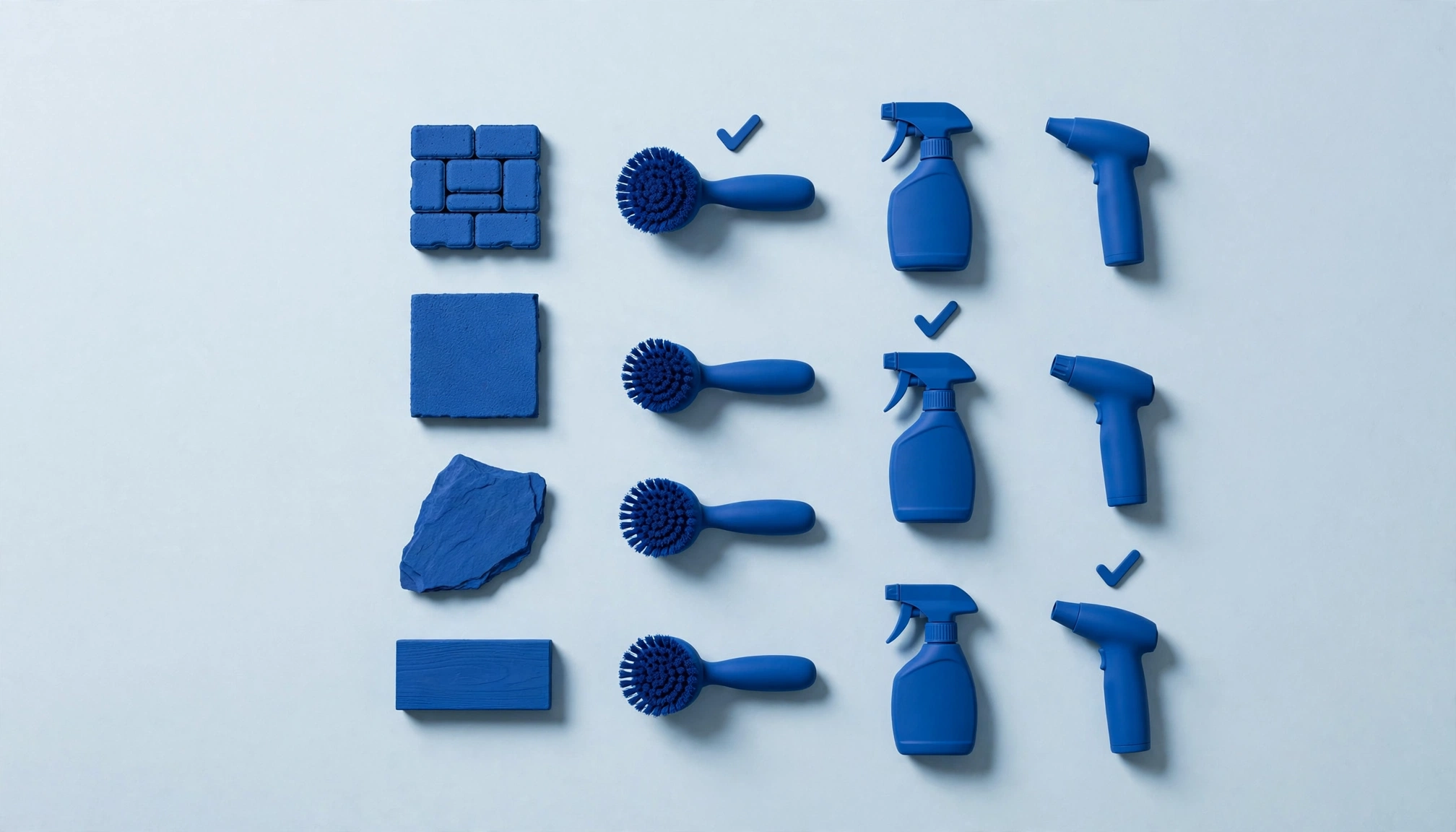
Use rotary pressure on sound blocks and flags. Use soft wash plus biocide on render, roof tiles and cladding. Use steam heat on tender stone. Details from a pressure washing guide for Skipton and the roof cleaning guide point the same way.
| Surface | Method | Aftercare |
|---|---|---|
| Block paving | Rotary head | Dry, re-sand, seal choice |
| Concrete flags | Rotary head | Rinse light, dry check |
| Render | Soft wash | Biocide, soft rinse |
| Roof tiles | Soft wash | Light clear, biocide |
| Soft stone | Steam | Gentle rinse, dry check |
| Timber deck | Gentle wash | Oil cover |
| Tarmac | Low pressure | Specialist restore |
- Sound blocks and flags take steady rotary passes with care at joints
- Render and cladding take low pressure feed with dwell, not blast
- Roof tiles take light moss lift by hand, then biocide wash
- Pale or flaking stone takes heat and soft flow over a pinpoint jet
- Decking takes grain-wise wash, then oil once dry
- Resin and imprinted mixes take wide low flow to guard pattern
Pick by face, not by machine. That one choice sets the result.
What a Careful Paving Clean Looks Like
A sound clean runs in order.
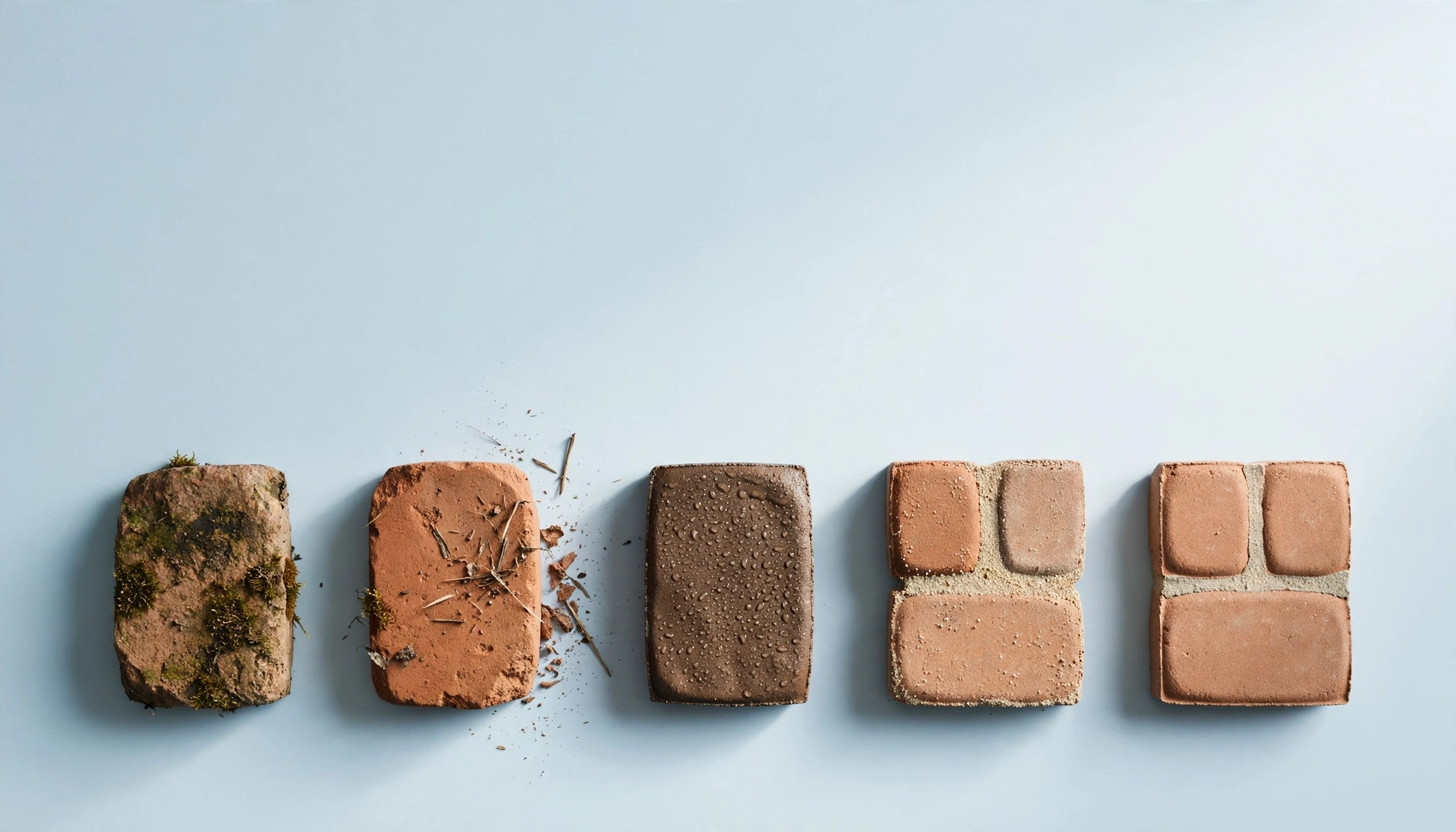
Pros who last in this trade follow the same arc, from look-over to last walk.
- Look over stone type, age, moss, lichen, weeds and drain falls
- Move pots, cars and furniture, shut windows and cover soft planting
- Clear leaves, gutter spill and loose moss that would wash down
- Pick the gentlest method that will shift the soil
- Wash in even passes with steady distance and angle
- Treat left-over films and black dots with biocide and dwell time
- Rinse away from joints and beds, then let the face dry
- Re-sand dry block joints and weigh sealing or deck oil
The dry pause before judging colour stops over-washing. Many stains fade as treatment works.
Then close the job with a clear check:
- Walk dry paving for tone, stripes and missed spots
- Check joints, gullies and gutters run free
- Look for splash on glass, paint and walls
- Feel timber for smooth grain and paving for grip
- List touch ups and fix them soon
That last loop is what keeps small misses small.
Paving Cleaning: Common Questions
Can Pressure Washing Damage Block Paving?
Yes, when the jet is too fierce or too close. It can pit the face, scar edges and cut stripes that stay. Keep pressure controlled, use a rotary head and hold distance steady.
Should Paving Be Re-Sanded After Cleaning?
Block paving often needs it. Washing moves sand and leaves gaps where weeds root and blocks rock. Brush fresh sand in once dry and think about sealing.
When Is Soft Washing Safer Than Jet Washing?
Soft washing suits render, roof tiles, cladding, soft stone and timber. Low pressure plus solutions and biocide lifts films without tearing the face. Save stronger flow for sound concrete and blocks.
How Do I Stop Black Spots Returning?
Treat with biocide and give it time. Blasting alone leaves roots in pits that regrow fast. Light upkeep and clear gutters slow new growth.
Can Decking and Tarmac Take High Pressure?
No, both mark with ease. Timber furs and splinters, while tarmac and resin shed aggregate. Wash low and soft, then oil timber and seek specialist care for worn tarmac.
Keep Paving Clean Without the Repair Bill
Gentle method, sound joints and treatment beat brute force.
Check your stone, pick rotary, soft wash or steam to suit it, guard joints and let biocide work. Photos of the area, the soil and access help get a fair quote, and a dry walk round at the end gives peace of mind.